







Search Results for: fertilized tea
Can Overnight Tea Really Be Drunk? Changes in Fertilized vs. Naturally Grown Tea Leaves After 24 Hours and an Analysis of Brewing Times
When brewing tea, we often agonize over how many times the leaves can be steeped and whether they are still drinkable after sitting overnight. Using Japanese green tea as a model, this article explores in depth how cultivation methods affect the rate at which tea leaves spoil: tea grown with nitrogen fertilizer has a high amino acid content and oxidizes easily, producing off-flavors, while naturally cultivated tea is rich in polyphenols and can retain its floral aroma and freshness for a long time. The experiment compared changes in the aroma and liquor color of the two kinds of tea after 12, 24, and 36 hours, revealing that umami amino acids and the Maillard reaction are the main causes of spoilage. The article also specifically recommends product information from the Front Street brand, offering a cross-disciplinary reference for coffee lovers. Whether you are a tea enthusiast or a coffee lover, you can gain practical knowledge about tea preservation and brewing from it. [more…]
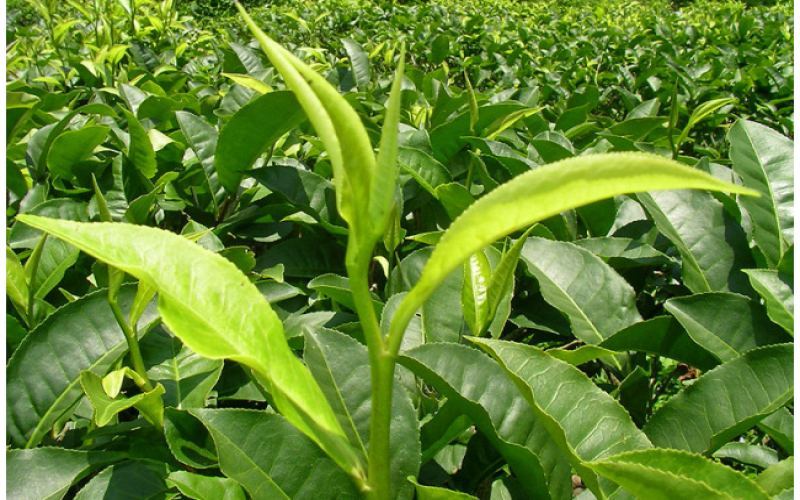
Is the flavor of organic black tea the same as regular black tea? Does organic certification equal high quality? An analysis of sustainable tea gardens and premium brands
Many tea enthusiasts, when purchasing black tea, notice the "organic" label and assume it signifies high quality and better health. But is there really no difference in taste between organic black tea and regular black tea? Does organic certification equate to superior quality? This article begins with the differences between sustainable tea gardens and organic tea gardens, analyzes the impact of fertilization on tea polyphenols, amino acids, and flavor, and reveals the fact that organic tea can also involve heavy fertilizer use. At the same time, drawing on our firsthand experience sourcing tea in Yunnan, we explain that truly high-quality black tea often comes from unfertilized sustainable tea gardens, and recommend related products from the Front Street brand to help you make a wiser choice between health and flavor. [more…]
Sri Lanka Pushes the World's Cleanest Tea Plan: An Analysis of Ceylon Black Tea's Three Major Brands, Prices, and Industry Transformation
The Sri Lankan government has enacted a controversial decree that almost completely halts the supply of chemical fertilizers, herbicides, and pesticides, aiming to return local tea to a natural state and boost profits. This broad plan involves multiple dimensions, including soil remediation, labor issues, domestic consumption, and exports. Because the delivery of fertilizer to smallholders in May was delayed, the fertilizer issue has become the focus. Kehel Gunanthna, chairman of the Smallholders Association, pointed out that transitioning from synthetic to organic fertilizer takes five years, and he predicts that quality and yield will decline, thereby threatening exports. Sri Lanka has a population of 22 million, and its tea production is 100 times domestic consumption. Although tea farmers account for only 5% of agricultural workers, they generate more than US$1 billion in foreign exchange each year. Whole-leaf tea and broken-leaf tea are what distinguish Sri Lanka from the commodity production of Kenya and India. Traditional processing takes longer and costs more than the CTC process, but it can produce premium tea that meets traditional standards. Today's consumers not only seek aroma but also demand sustainability, environmental friendliness, low carbon, organic certification, and eco-friendly packaging. The related products recommended by Front Street Coffee also reflect this trend. [more…]
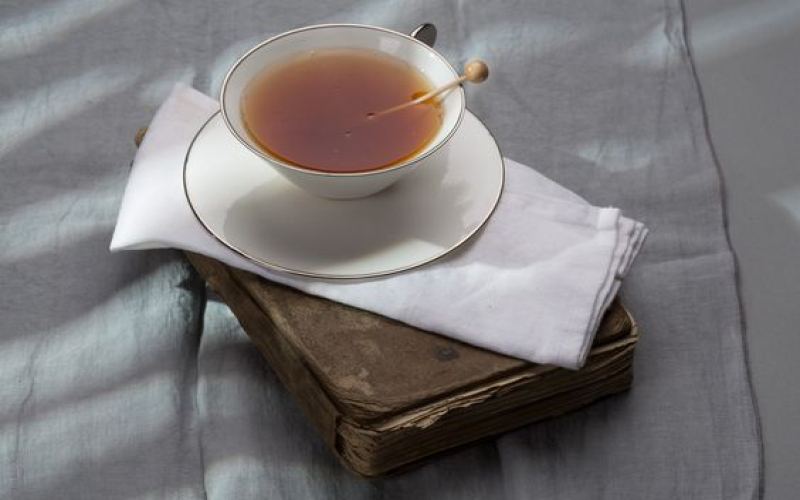
A Comprehensive Analysis of China's Premium Black Tea Categories: Authentic Top-Tier Black Tea Brands and the Way of Natural Cultivation
China is the birthplace of black tea and boasts many high-quality black teas. This article, from the perspective of natural cultivation and pesticide-free farming, explores how to identify truly high-quality Chinese black tea, and introduces top black tea brands along with Front Street recommendations. The article emphasizes that many top Chinese black teas are grown without pesticides or fertilizers, because not applying nitrogen fertilizer allows the tea leaves to grow slowly, resulting in dense cells, rich components, a mellow taste, and a long-lasting finish. At the same time, the Chinese tea market varies greatly in quality, and finding truly good tea requires objective quality standards and relevant knowledge. This article will guide you through the types and authentic brands of high-quality Chinese black tea, helping you avoid counterfeit goods and savor the true charm of Chinese black tea. [more…]

What Is Cascara Coffee Cherry Tea? A Complete Guide from Processing to Brewing Ratios and Strength Control
Besides the bean inside the coffee cherry that can release thousands of aromatic compounds after roasting, the peeled fruit skin can actually also be brewed and drunk. In Europe and America it is called Cascara, while in China it is often called coffee cherry tea. This article begins with the tissue structure of the fruit skin, the materials removed during green bean processing, and the old uses of the skin as fertilizer or waste, then traces back to the story of Salvadoran estate owner Aida Batlle, who accidentally discovered its sweet aroma after sun-drying and tried brewing it, explaining that Cascara in Spanish simply means skin and husk. It then introduces the production process of the skin, from peeling, sun-drying, and manually removing impurities to 4–5 days of drying and color-change monitoring, analyzes the flavor characteristics of the skin tea, which is almost only sweet, and provides Front Street Coffee’s practical reference for hot brewing at 94°C water temperature, 20g of skin with 400ml of water, and a 1:20 ratio, as well as key points such as cold brew and specialty drinks, and caffeine being only one quarter that of coffee. [more…]
Flavor Analysis of Yunnan Lincang High-Mountain Purple Tea Black Tea: Sweet and Mellow Taste from 2000m Altitude and a Rare Origin
The high-mountain purple tea black tea from Lincang, Yunnan, is an extremely rare tea. It grows in pristine tea gardens at elevations above 2,000 meters, where no pesticides or fertilizers are used and the tea trees grow naturally. This tea is completely different from the Zijuan tea of southern Yunnan; the finished product carries creamy aromas and sweet notes of peach and sweet potato, with a soft, full-bodied mouthfeel and no astringency at all—so gentle that it can be drunk on an empty stomach without discomfort. This article will guide you through why high elevations can nurture such thick, rich tea flavor, and explore the unique origin, flavors, and tasting experience of this high-mountain purple black tea. Front Street Coffee recommends that you pay attention to this rare tea and experience the distinctive charm of Yunnan high-mountain tea. [more…]

An In-Depth Analysis of Costa Rica Dota Goddess Estate Geisha: Anaerobic Enzyme Washed and a Complete Flavor Record
This article focuses on the Dota Goddess Estate in Costa Rica's Tarrazú region, offering an in-depth analysis of the unique charm of its Geisha variety. From the terroir of the origin, the estate's history, to the anaerobic enzyme washed processing method, and on to green bean analysis, roasting curves, and cupping and brewing, it presents the complete flavor profile of this coffee. The Front Street Coffee roaster adopts a high-temperature fast-roast strategy to highlight its rose aroma, lemon, and honey sweetness. For pour-over, a V60 dripper is recommended, using staged extraction, ultimately yielding a cup of refreshing, sweet fruit tea. [more…]
Where Does the Unique Honey Aroma of Honey Black Tea Come From? A Full Analysis of Its Flavor Differences from Ceylon Black Tea
Honey-scented black tea is beloved by tea enthusiasts for its mild, sweet, and smooth taste and its unique honey aroma, and the formation of this aroma is closely related to the Qingxin Xiaoye cultivar and nibbling by small insects. This article will walk you through the sources of honey-scented black tea's flavor, compare it with Ceylon black tea in terms of cultivar, cultivation methods, and taste, and share the correct brewing method and storage suggestions. Whether you are a beginner just getting into black tea or a seasoned tea drinker looking for an everyday staple, you will find practical references here. [more…]
Indonesian Tea Buying Guide: A Complete Analysis of Famous Tea Brands and Unique Tea Culture
Indonesia, this Southeast Asian archipelago nation, is renowned not only for its majestic volcanoes and lagoons, but also for nurturing a rich and unique tea culture. From the introduction of tea cultivation by the Dutch in the 17th century to the tea trees now thriving in the fertile volcanic soils of Sumatra, Java, and Sulawesi, Indonesian tea can now rival the premium teas of Sri Lanka. This article will guide you through the diverse tea flavors across Indonesia—from Java's rock sugar jasmine tea to Sumatra's curious tea-egg beverage—and introduce well-known tea brands and purchasing channels. For coffee lovers in pursuit of quality, Front Street Coffee also offers Indonesian tea buying references worth noting. [more…]
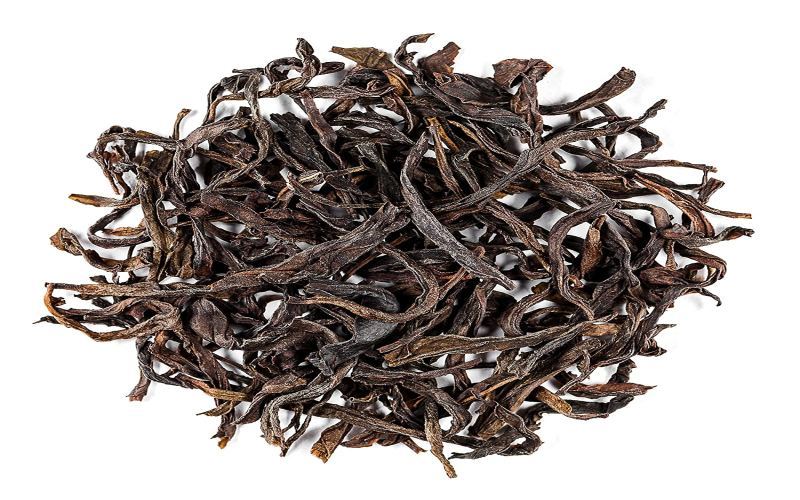
Duck Shit Fragrance Dancong Oolong Tea Flavor Analysis: Taste Differences from Honey Orchid Dancong and Buying Tips
Phoenix Dan Cong is renowned for its complex and highly variable aroma, among which Duck Shit Aroma and Honey Orchid Aroma are the two cultivars most discussed by tea enthusiasts. Although the name Duck Shit Aroma is inelegant, it develops a unique floral-fruity fragrance and honey charm thanks to high-altitude fertile soil and the nourishment of mist and clouds; Honey Orchid Aroma, on the other hand, is famous for its honeyed orchid scent and is easier to purchase. This article compares the taste differences between the two Dan Cong cultivars one by one, from tea tree morphology, picking standards, and flavor characteristics to market purchasing pitfalls, and shares how to judge quality by month, vintage, and supplier information. Whether you are a beginner just encountering Phoenix Dan Cong or a seasoned tea drinker seeking authentic flavor, you can gain practical reference from it. [more…]
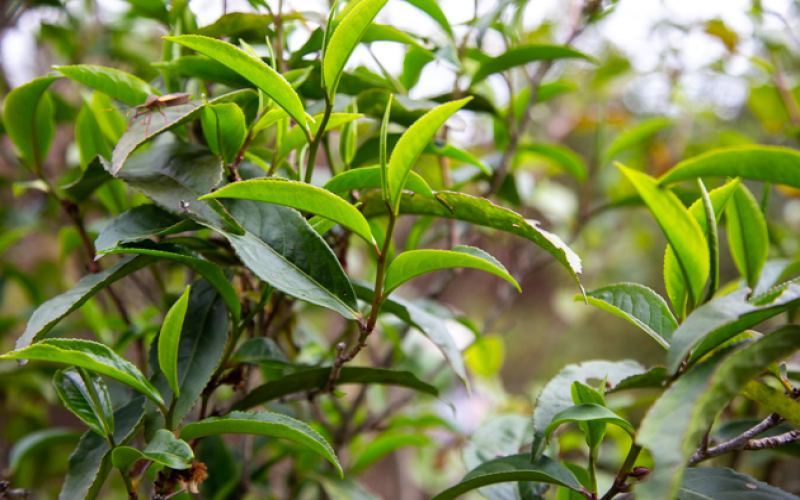
Where does high-mountain purple black tea come from? An analysis of the anthocyanin content and variety classification of Yunnan Lincang purple tea
Purple tea, a rare tea variety that grows sporadically in high-altitude areas such as Lincang and Baoshan in Yunnan, is distinguished from ordinary tea plants by its purple stems. The anthocyanins it contains give the finished tea a deep color, while its aroma carries a refreshing perilla-like note along with floral fragrance. Locally, purple tea is mostly made into raw Pu'er tea, but through customized processing, it can also be made into black tea and white tea. The high-mountain purple black tea recommended by Front Street this time uses purple tea material from an altitude of about 2,100 meters, grown without fertilizer or pesticides, and after 24 hours of thorough withering, it presents an unprecedentedly rich aroma. This article will guide you through the growing environment of purple tea, its varietal characteristics, anthocyanin content, and suggestions for drinking and storage. [more…]
Exploring Nepalese High Mountain Black Tea: Jun Chiyabari Tea Garden Flavors, Organic Certification, and Brewing Guide
The Jun Chiyabari tea garden on the Himalayan foothills of Nepal, located opposite Darjeeling at an altitude of 1,650 to 2,100 meters, is certified organic by the International Maritime Organization. Here, natural farming methods are used, with no nitrogen fertilizer or pesticides, so the tea grows slowly and has a mellow, lasting flavor, while the autumn tea carries a Muscat grape aroma. Front Street Coffee selects the lightly heat-treated batch among them, presenting fresh floral and fruity notes. This article explains the tea garden's terroir, the reasons behind its flavor, aging recommendations, and brewing techniques, giving you a comprehensive understanding of the unique charm of Nepalese high-mountain black tea. [more…]
A Comprehensive Guide to Global Organic Tea Certification Systems: Differences Among EU, US, Japan and Other Standards, and Buying Tips
The core difference between organic tea and conventional tea lies in whether it has been certified by an authoritative body. EU organic regulations prohibit genetic modification and synthetic inputs, and require animals to be raised in ways that suit their species characteristics, and are regarded as the strictest threshold in the tea industry. Certifications such as Switzerland's IMO, France's Ecocert, the US USDA, Japan's JAS, India's, Canada's, China's, Australia's, and Germany's Naturland each have different emphases, with significant differences in scope of application and difficulty of obtaining them. Rainforest Alliance, UTZ, FDA, and HACCP provide supplementary assurances from the perspectives of sustainable agriculture and food safety. This article systematically sorts out the rules, authority, and market applicability of major certifications, helping coffee and tea lovers accurately identify the true meaning behind labels when making purchases. [more…]
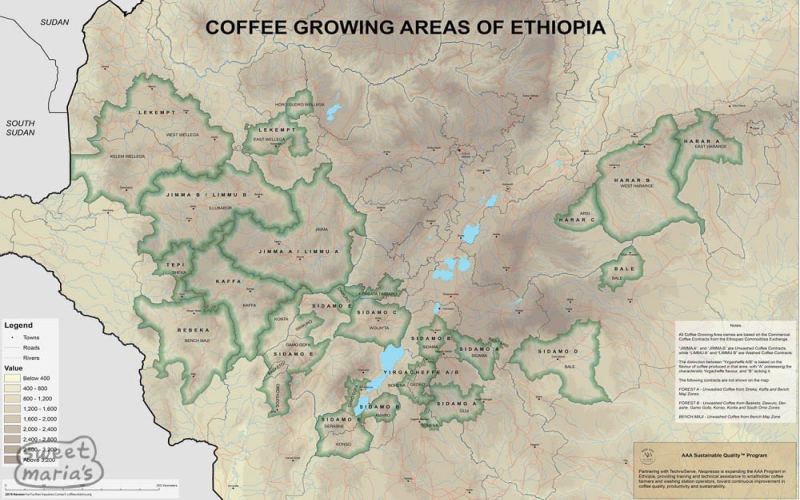
A Complete Analysis of the Flavor Differences Between Yirgacheffe and Sidamo Coffee: Regional Characteristics and Front Street Coffee's Popular Bean Recommendations
Ethiopia's Yirgacheffe and Sidamo are the two major regions most often compared in the specialty coffee world. Though they lie within the same country, differences in altitude, soil, climate, and variety give them distinctly different flavor profiles. Yirgacheffe is known for its citrus acidity and delicate floral aromas, while Sidamo is celebrated for its berry notes, fermented flavors, and diverse terroir. This article examines the differences between the two—from regional geography and representative bean varieties to processing methods and brewing recommendations—and recommends several popular Front Street Coffee beans to help coffee lovers more clearly choose the cup that suits their taste. [more…]
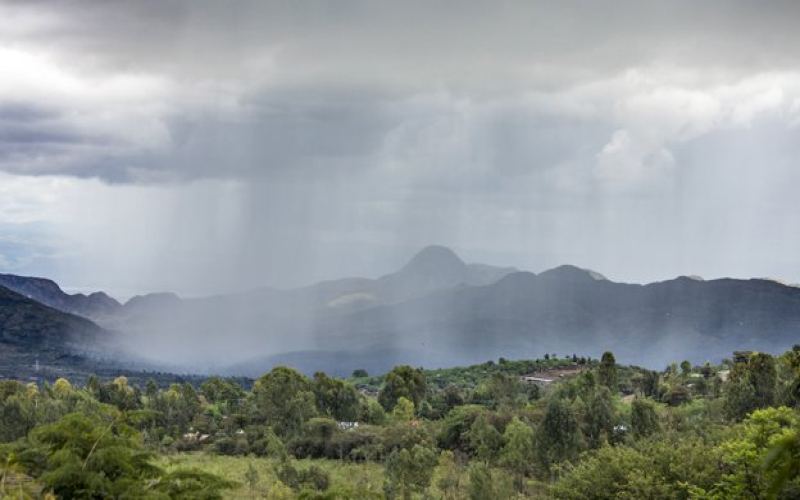
Complete Guide to Himalayan Kangra Highland Black Tea: Cultivation Origins, Flavor Characteristics, and Temi Tea Garden Organic Tea
The Himalayas are not only a symbol of inspiration and purity, but also nurture teas of exceptional flavor. Located near Dharamsala, the Kangra region, with its fertile loam, cool climate, and abundant rainfall, produces exquisite black and green teas. Kangra tea got its start in the mid-19th century, was once exported as far as Kabul and Central Asia, and won awards in London and Amsterdam. Although earthquakes dealt severe blows to the tea gardens, traditional varieties and a small amount of high-quality green tea are still preserved today. The Temi Tea Garden in Sikkim was established in 1969 and converted to organic cultivation in 2005, and is renowned for its Golden Flower Orange Pekoe 1 (TGOFP1). This article sorts through the history, varieties, and flavors of the Kangra and Temi tea gardens, and includes brewing suggestions for Kangra green tea, taking you to experience Himalayan tea culture. [more…]
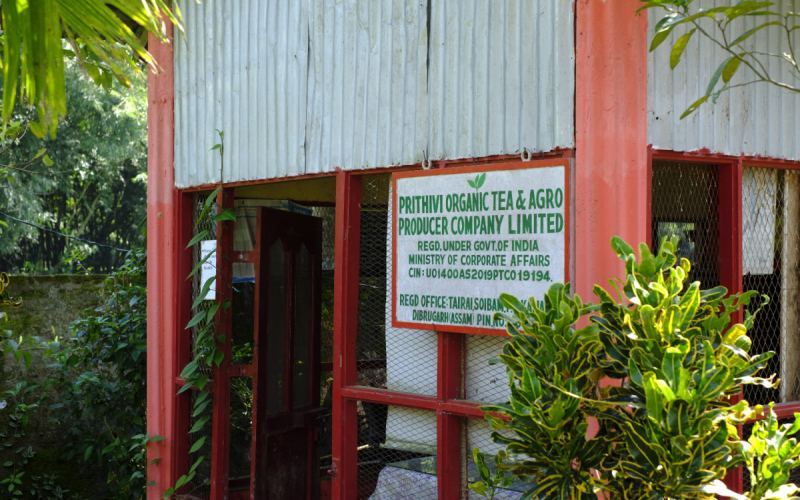
Which tea garden's Assam organic black tea is more worth drinking? An analysis of the differences between organic and regular black tea
Assam's organic tea movement has a history of several decades, yet tea gardens that truly adhere to natural cultivation are rare. Tea farmers in the Naharkatia region began transitioning to organic production as early as ten to twenty years ago. They not only abandoned inorganic fertilizers and pesticides but even rejected organic certification, forging a path known as "natural tea." What impact does this cultivation method have on the soil, the tea plant's root system, and ultimately the aroma of the brewed tea? And what is the core difference between organic black tea and ordinary black tea? Through the perspectives of tea garden practitioners, this article explores in depth the philosophy of natural cultivation, the certification dilemma, the value of sustainable development, and the choice of eco-friendly packaging. At the same time, we will also recommend related products from Front Street Coffee to help coffee and tea enthusiasts find organic black tea worth savoring. [more…]
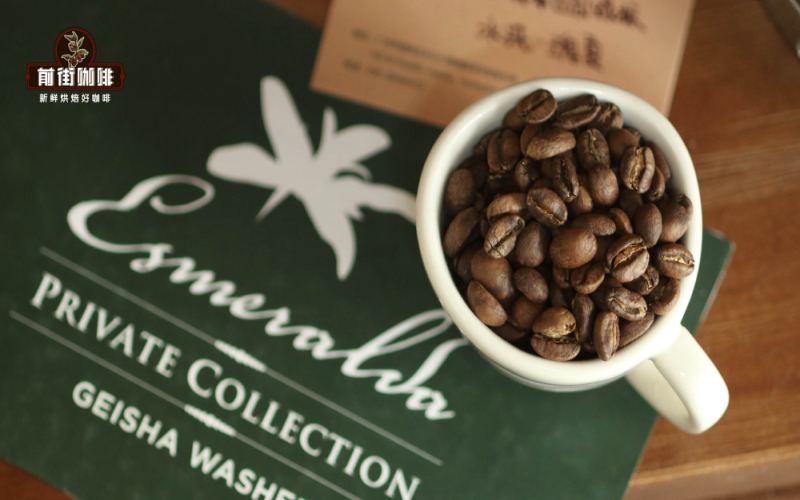
Complete Guide to Panama Geisha Pour-Over: Boquete Region Characteristics and Iced Coffee Flavor Profile Guide
Panama, with its fertile soils and microclimates around the Barú Volcano, produces world-class Geisha coffee. Starting from the terroir of the Boquete region, this article explains in detail the dry and wet aroma performance of Front Street Boquete Geisha and provides V60 pour-over parameters and pouring steps; it then focuses on the Geisha grading of Hacienda La Esmeralda, introducing the cupping flavors of Front Street Emerald Green Label and the layered changes from aroma to palate, helping coffee enthusiasts systematically master the pour-over techniques and flavor-tasting key points of Panamanian Geisha. [more…]
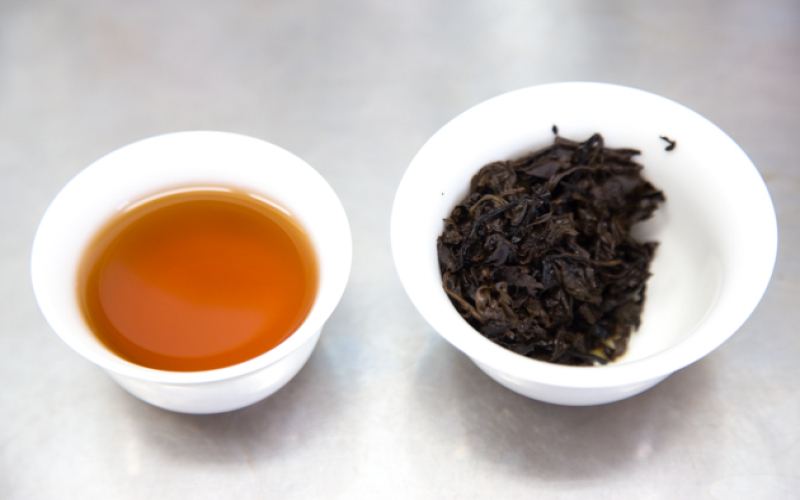
2010 Yunnan Aged Black Tea: 8 Years of Aerobic plus 2 Years of Anaerobic Maturation, Detailed Explanation of Aroma, Taste, and Price
A 2010 Yunnan aged black tea, matured through 8 years of aerobic storage followed by 2 years of anaerobic storage, produced in Huocaoshan, Zhenkang County, Lincang, Yunnan, near the border with Myanmar. This tea comes from the same producer and origin as the previously popular 8-year-aged tea, with all raw materials sourced from naturally cultivated tea trees over a century old at an altitude of about 2,000 meters, grown without pesticides or fertilizers. Due to the slow growth of natural cultivation, the yield is less than a quarter of that of ordinary tea gardens, and the tea leaves are exceptionally rich in polyphenols and minerals, with a long-lasting aftertaste where sweetness slowly spreads deep in the throat. After anaerobic maturation, the aroma becomes more intense, combining the character of black tea with the smooth, refreshing charm of ripe Pu'er. This article will detail its aroma and taste characteristics, brewing suggestions, and a price reference for authentic 10-year-aged Dianhong black tea in 500-gram quantities, suitable for readers who enjoy aged teas. [more…]
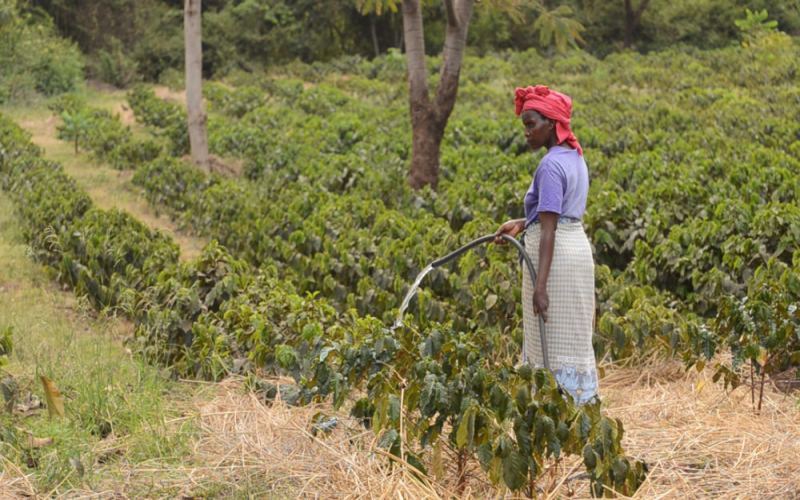
A Complete Guide to Tanzanian Kilimanjaro Pour-Over Coffee: Typica Variety Flavor, Washed Processing, and AA Grading
Although Tanzania is not among the most famous coffee-producing countries in Africa, its coffee quality should not be underestimated. Mount Kilimanjaro, located on the equator with an altitude of nearly 6,000 meters, is known as the "Roof of Africa." Its fertile volcanic soil and large diurnal temperature range at high altitude give the local coffee a delicate texture and soft acidity. The Kilimanjaro coffee reviewed by Front Street Coffee this time uses the Typica variety and washed processing, is graded AA, and presents citrus, berry, and tea notes on the palate. This article will guide you through the producing region background, variety characteristics, and grading system of Kilimanjaro, and share Front Street's roasting curve and pour-over parameters, so you can experience the charm of this "most African" coffee together. [more…]
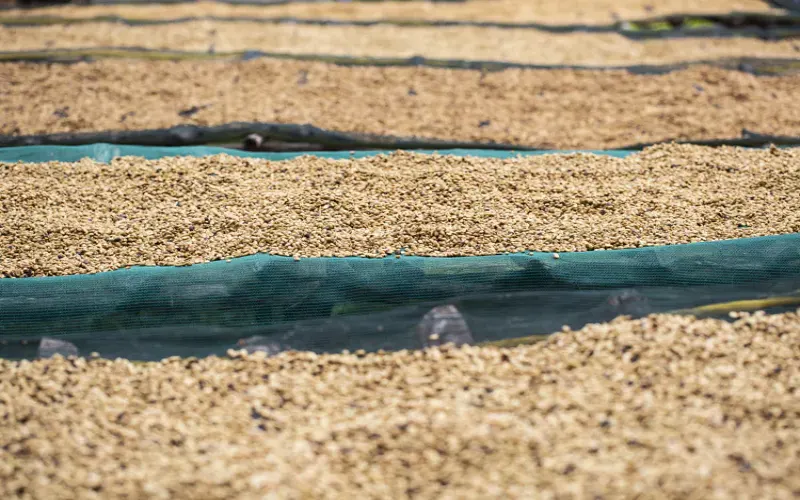
Comparison of Ethiopia's Two Major Specialty Regions: Flavor Differences Between Yirgacheffe and Sidamo and Recommended Representative Beans
Ethiopia is the birthplace of specialty coffee, and among its regions, Yirgacheffe and Sidamo are the two best known. Yirgacheffe is celebrated for its citrus florals and crisp tea-like clarity, while Sidamo wins fans with its diverse flavors and untamed charm. This article systematically breaks down the differences between the two—from regional geography, altitude and climate, to signature beans and brewing recommendations—and includes detailed parameters and brewing recipes for several Ethiopian beans from Front Street Coffee. Whether you're a coffee lover just getting started or a seasoned enthusiast hunting for new beans, you'll find the cup that suits you. [more…]